

ŚWIĘTOKRZYSKIE IN SWEDEN: WORKING TOGETHER TO REDUCE COMPOST CONTAMINATION
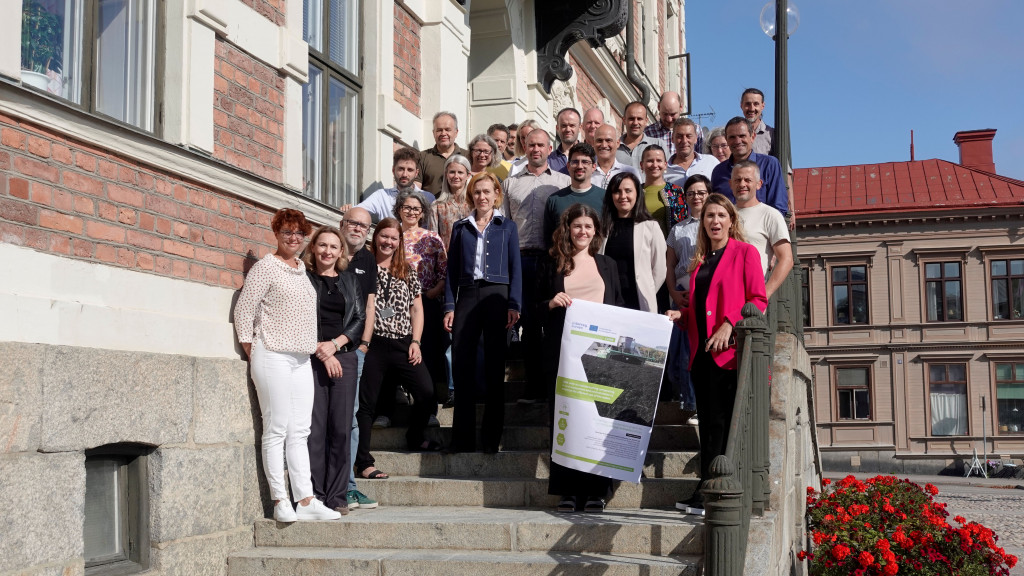
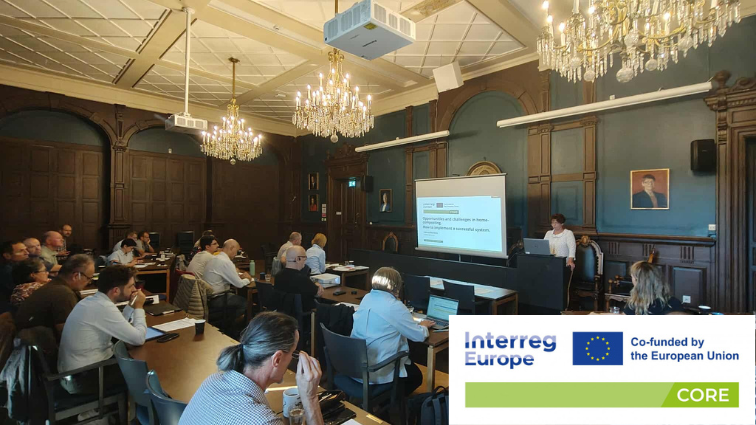
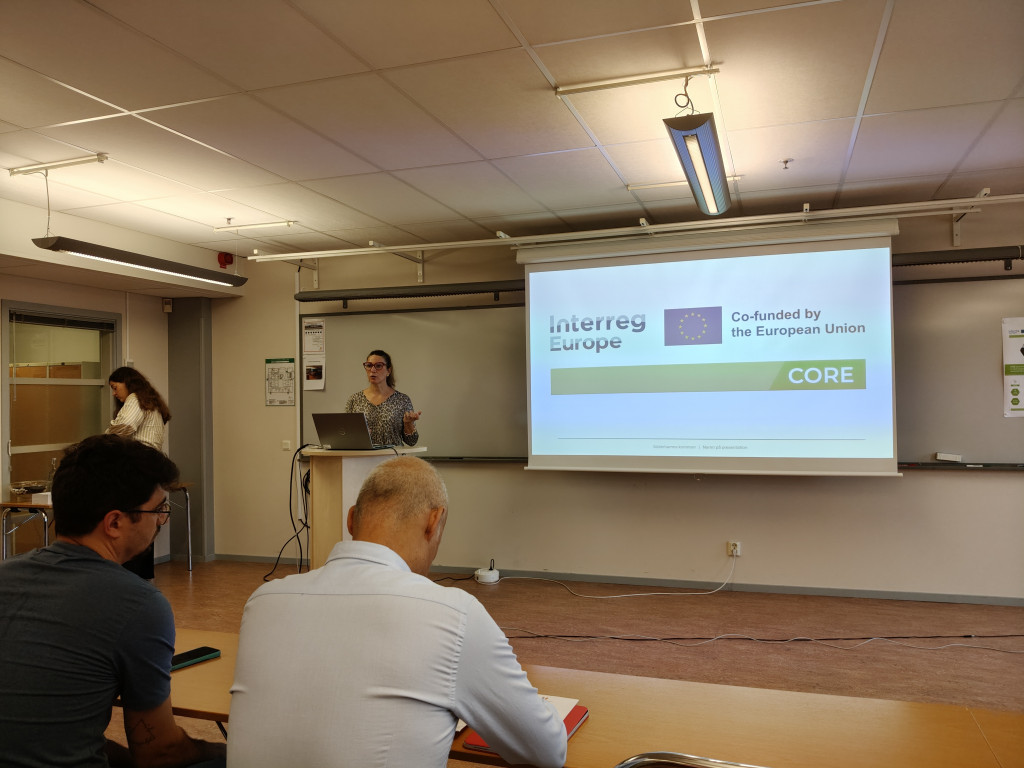
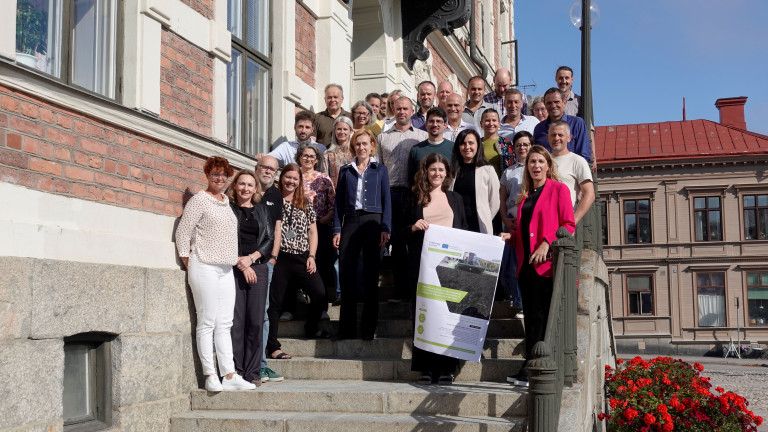
From 9 to 11 September 2025, the VI Thematic Seminar and study visits will take place in Söderhamn as part of the CORE Interreg Europe 2021–2027 project, which aims to exchange experiences and disseminate good practices in the field of bio-waste composting and improving its quality.
During the meeting, partners from Germany, Spain, Belgium, Greece, Sweden, Hungary, Italy and Poland will present their solutions concerning, amongst other things:
– methods of communicating with residents on the correct handling of bio-waste (examples from Brandenburg and Ciudad Real),
-tariff and monitoring systems supporting the separate collection of bio-waste (the ‘Boomerang’ campaign, Brandenburg),
-a survey illustrating residents’ behaviour in relation to composting (Flanders).
The Świętokrzyskie Voivodeship also presents a good practice concerning the challenges and opportunities associated with home composting and ways of supporting residents in carrying out such activities, as outlined by Hanna Merliere, Chair of the Green Management Group. A stakeholder from the Świętokrzyskie Voivodeship also gave an interview to the local newspaper *Arbetarbladet* on the exchange of experiences following a study visit to Swedish municipalities.
The event programme also includes study visits:
– to Söderhamn Nära, a company responsible for waste collection and recycling,
– to the Stenbacken community garden, where solutions for small-scale
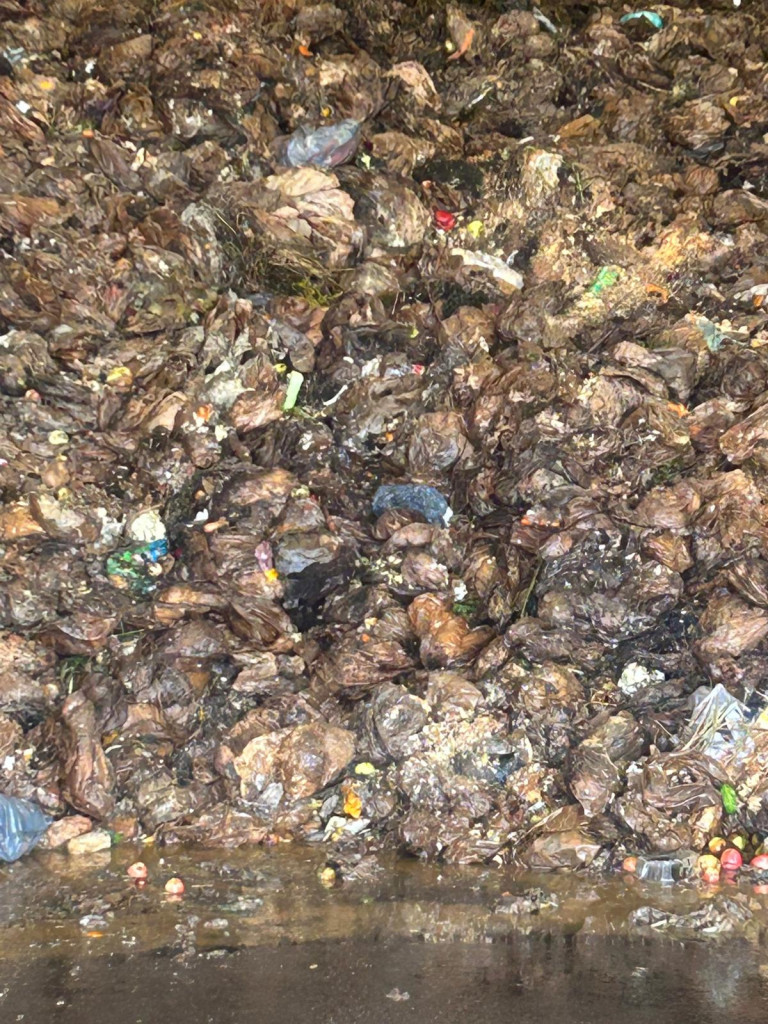
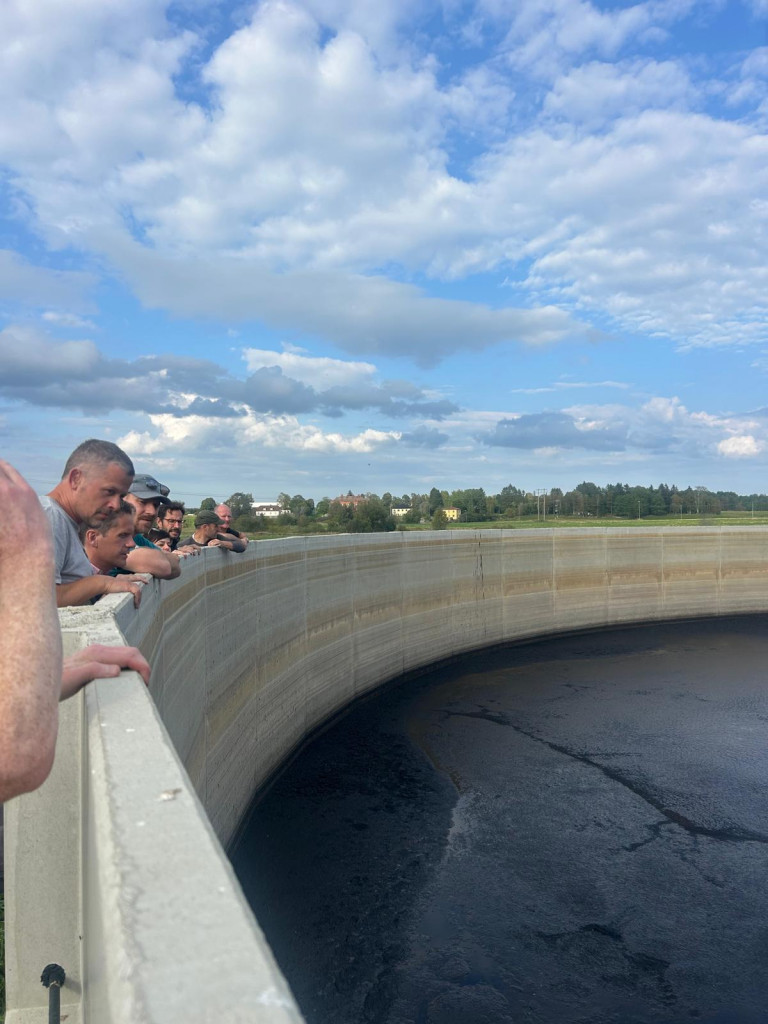
– at the Ekogas plant in Gävle, which processes bio-waste into biogas and bio-fertiliser,
– at the Mida farm, where farmers use bio-fertilisers in a closed-loop system.
Participation in the CORE project enables the Świętokrzyskie Voivodeship to exchange experiences with nine European partners, as well as to adapt proven solutions in the region, thereby supporting the development of a circular economy and pro-environmental measures.
The CORE project is co-funded by Interreg Europe 2021–2027 and is implemented by the Department of Regional Development in cooperation with the Department of Agriculture, Climate and Environment of the Marshal’s Office of the Świętokrzyskie Voivodeship in Kielce.
The meeting concluded with a meeting of the CORE project’s Steering Committee.