

V THEMATIC SEMINAR in POLAND – ŚWIĘTOKRZYSKIE REGION 10-12 June 2025
The three-day V Thematic Seminar within the NACAO project from the Interreg Europe program, aimed at exchanging good practices in the field of green and blue carbon, has ended. Project partners and stakeholders saw proven solutions for offsetting carbon dioxide emissions implemented in the Świętokrzyskie region.
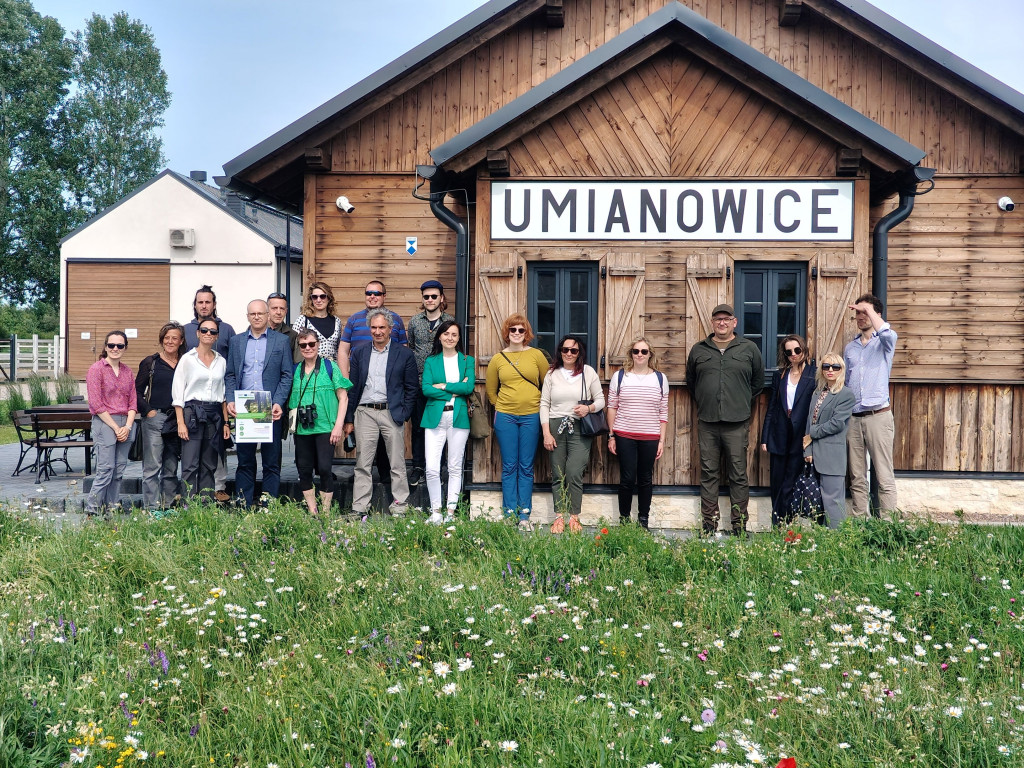
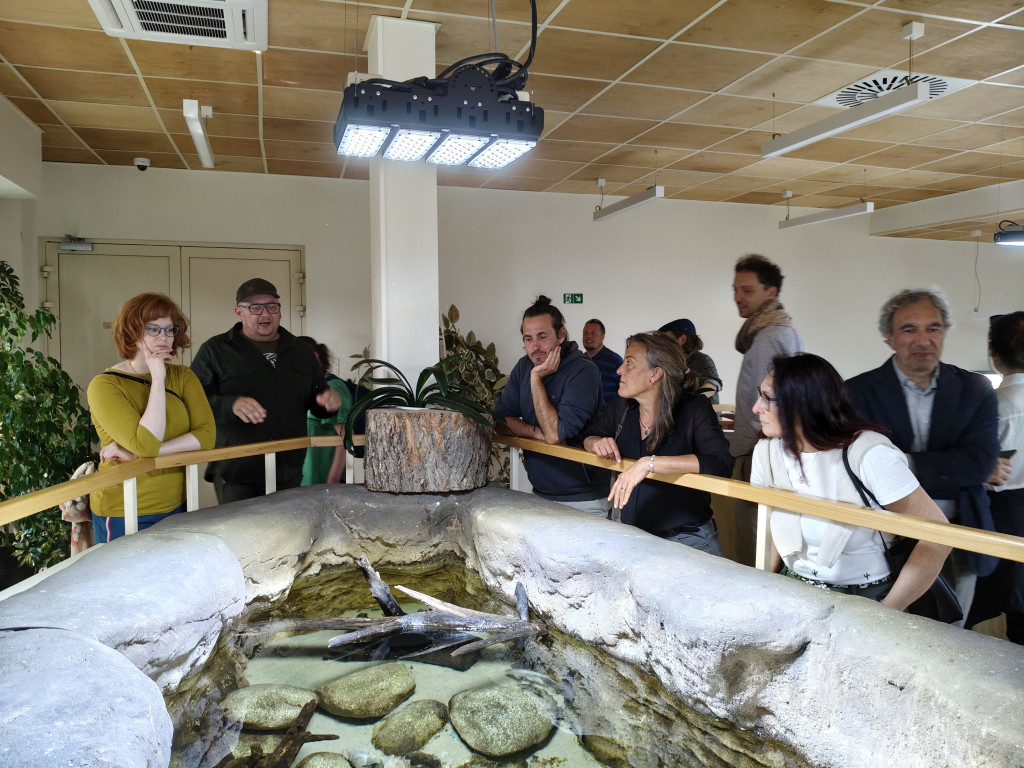
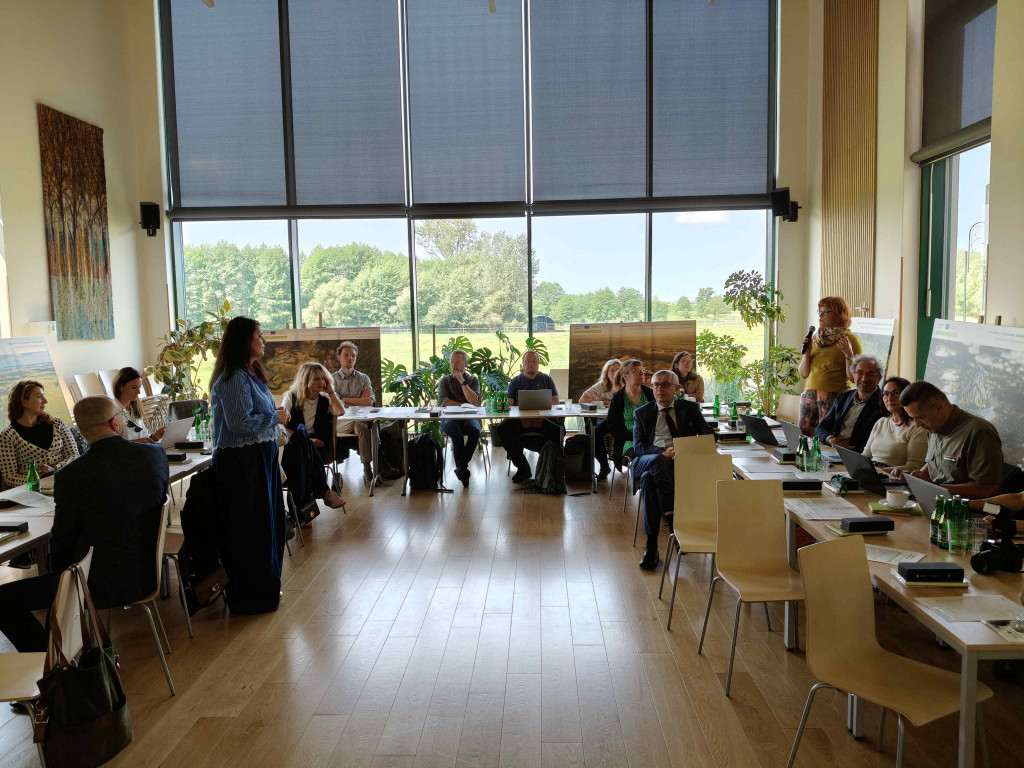
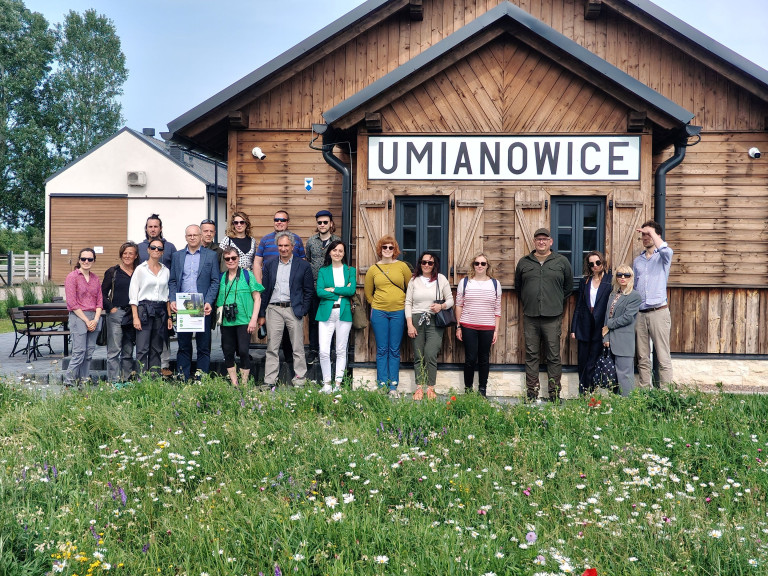
The seminar began with presentations displayed at the Nature Education Center in Umianowice. The discussion was led by Joanna Rudawska, deputy director of the Department of Regional Development at the Marshal’s Office of the Świętokrzyskie Voivodeship. NACAO project partners from France, Italy, Spain, Finland and Germany and stakeholders presented their practices used in engaging organizations and citizens in carbon offsetting in their areas. Among others:
- ClimaSTORY tool, which creates an opportunity for collective thinking about solutions for adaptation to climate change and ways to achieve them
- FEVer Strategy – ecological function of greenery in Italy
- Climate Strategy Project of the city of Viitasaari in Finland
- Bremen Biodiversity Strategy 2030 or
- Sustainable destinations beyond offsetting in Spain, or
- Forest Planting Initiative in Poland
Polish partner showed the guests around the Nida inland delta, a unique geomorphological structure, stretching over an area of about 20 km², characterized by great biodiversity and a terrain that favors the formation of floodplains. The main objective of this local project was to improve the water conditions of the delta in order to restore its rare natural features, including the preservation of floodplain forests, oxbow lakes, old riverbeds and wetlands, which are habitats for protected species such as waders, reptiles such as the European pond turtle, and amphibians such as the crested newt. Another objective was to raise ecological awareness and engage the community in the collective protection of this unique inland delta.
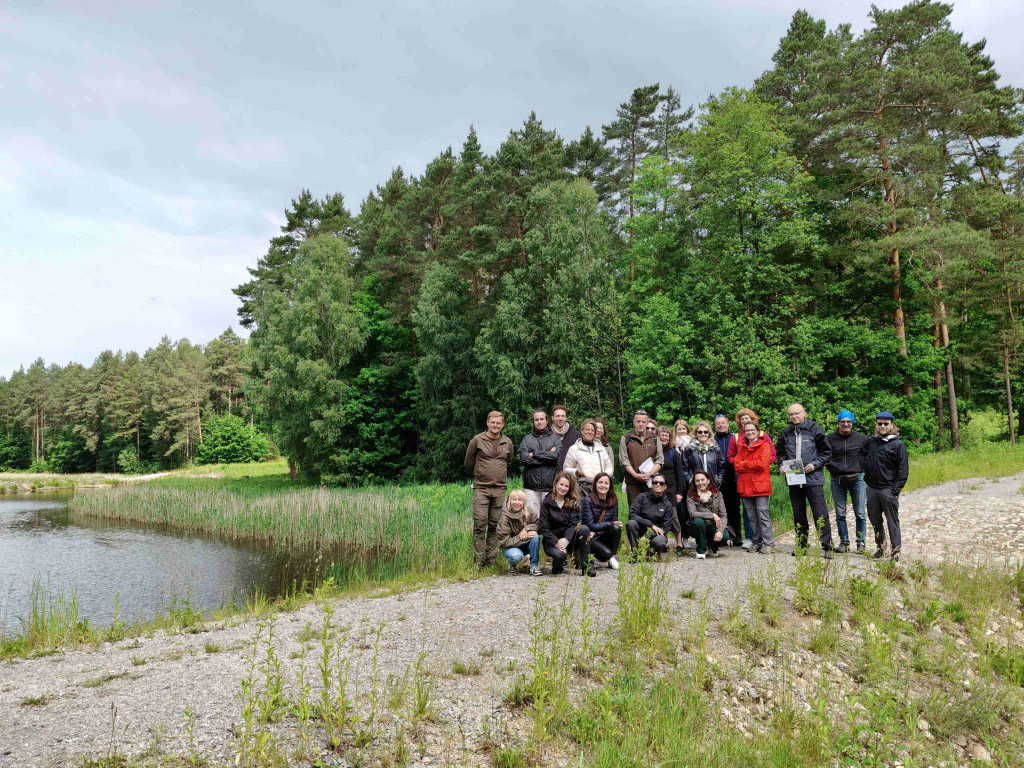
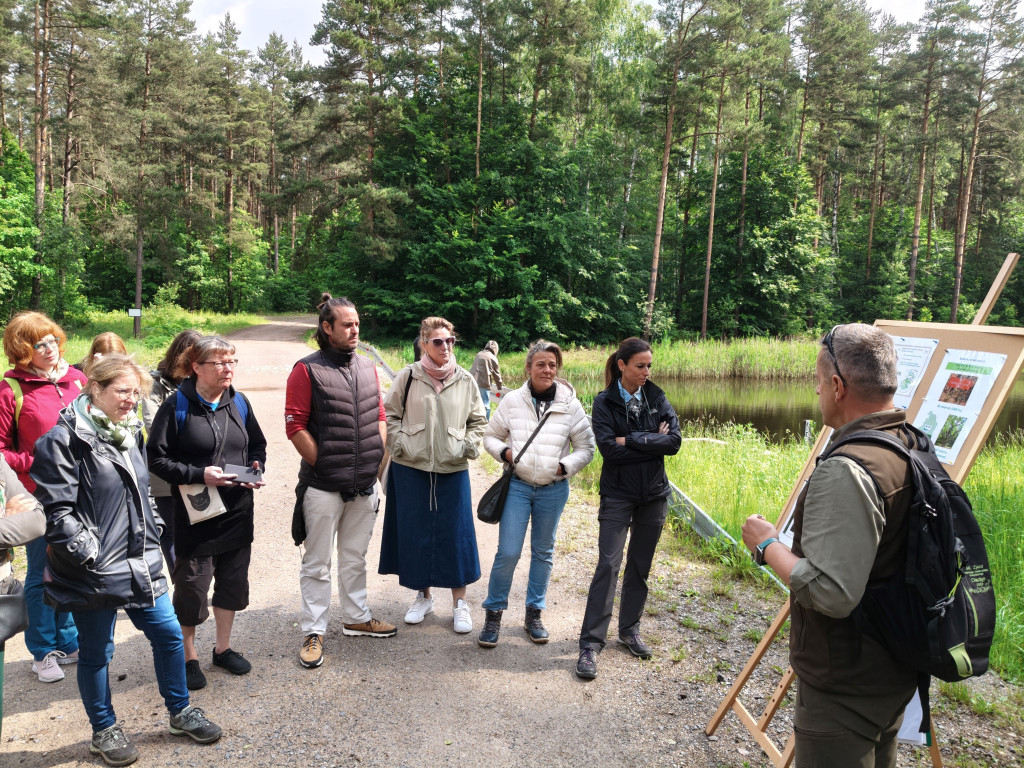
The second day of the Thematic Seminar within the NACAO project from the Interreg Europe programme was marked by study visits to Daleszyce and Starachowice. We were the first to see the small retention project in the Daleszyce Forest District, which was the beneficiary of the project “Increasing the retention capacity and counteracting floods and droughts in lowland forest ecosystems”. As part of the project, the retention reservoirs (4 forest ponds with a total area of 2.55 ha) located in the Sieraków Forest District were renovated. The reservoirs retain a minimum of 137 thousand m3 of water and contribute to the stabilization of humidity conditions in the neighbouring forest habitats and increase biodiversity.
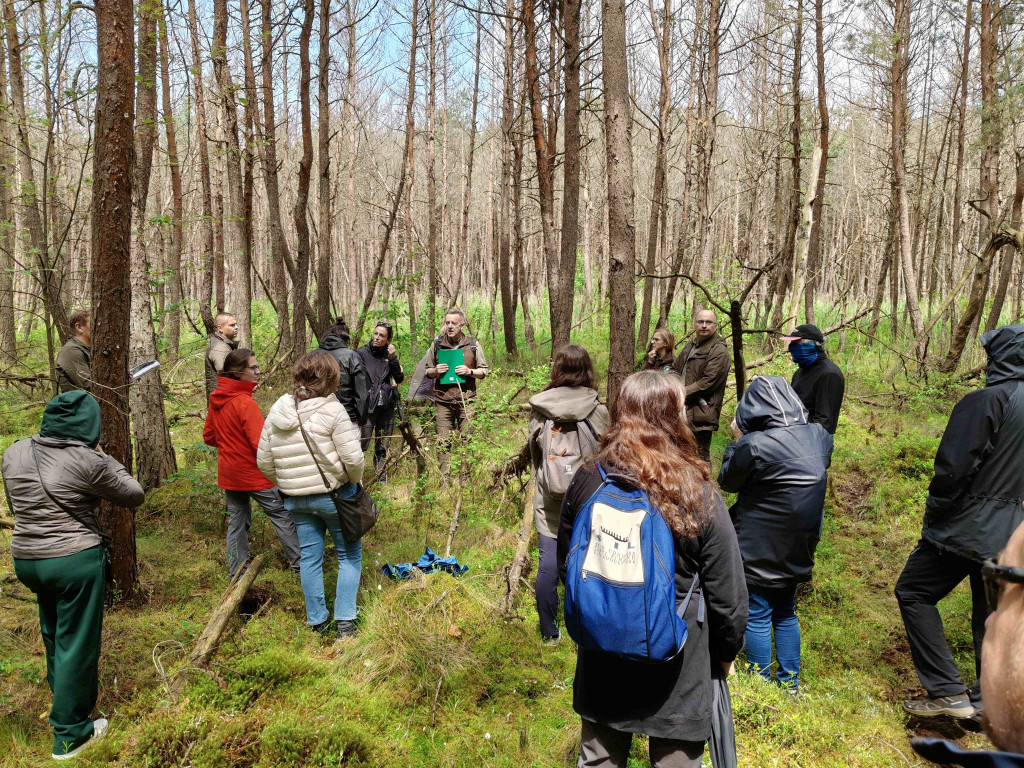
The next study visit included the BIAŁE ŁUGI peat bogs.
The reserve includes the largest raised peat bog in the Polish uplands. Due to the observed drop in groundwater levels, monitoring activities are being carried out here, including cutting down trees and shrubs that overgrow the most valuable parts of the peat bogs, contributing to their degradation. The day full of impressions ended in Starachowice. Here we familiarized ourselves with good practices used in the revitalization of the Pasternik and Lubianka reservoirs in Starachowice as well as small projects: “green bus stops”.
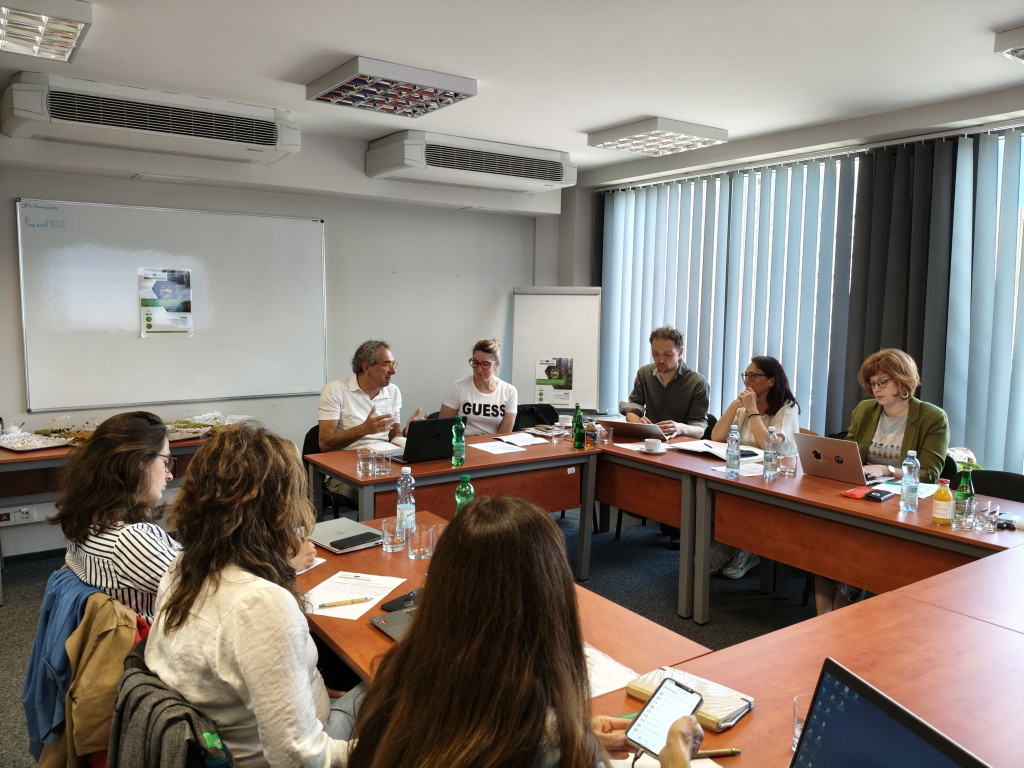
The last day of the event was dedicated to Steering Committee of the NACAO project.
The NACAO project is implemented within the frames of INTERREG EUROPE 2021-2027 program and co-financed by the European Regional Development Fund of the EU under the project “NACAO – Nature-based Carbon Offsets”, Policy objective 2: Greener Europe, Specific objective: Climate change.